
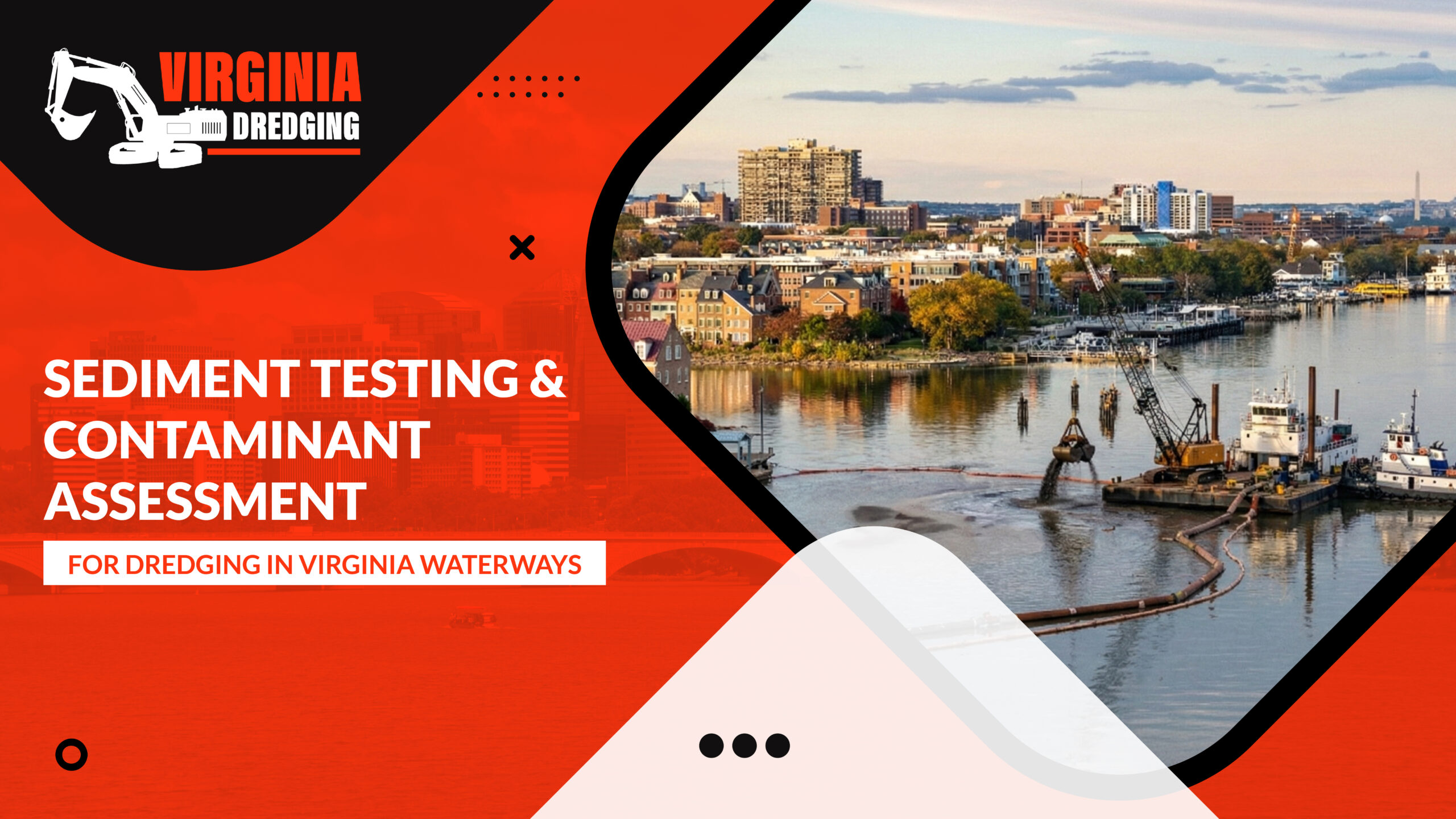
Sediment testing for dredging is the cornerstone of responsible and successful dredging projects, especially in a state like Virginia, where rich natural resources, bustling ports, and thriving communities are intertwined with complex aquatic systems. From the Chesapeake Bay to its tributaries, understanding what lies beneath the surface of Virginia’s waterways is essential. At Virginia Dredging, we know that comprehensive sediment testing for dredging is not just a regulatory requirement. It is an environmental safeguard and a planning tool that protects communities, ecosystems, and commerce.
In this long-form blog, we will explore the world of sediment testing for dredging, examine how contaminant assessment in Virginia plays a vital role in dredging operations, and provide insight into the framework of Virginia waterways dredging compliance. Along the way, we will illustrate how Virginia Dredging stands apart from other dredging companies in expertise, execution, and environmental stewardship.
Why Sediment Testing Matters in Dredging
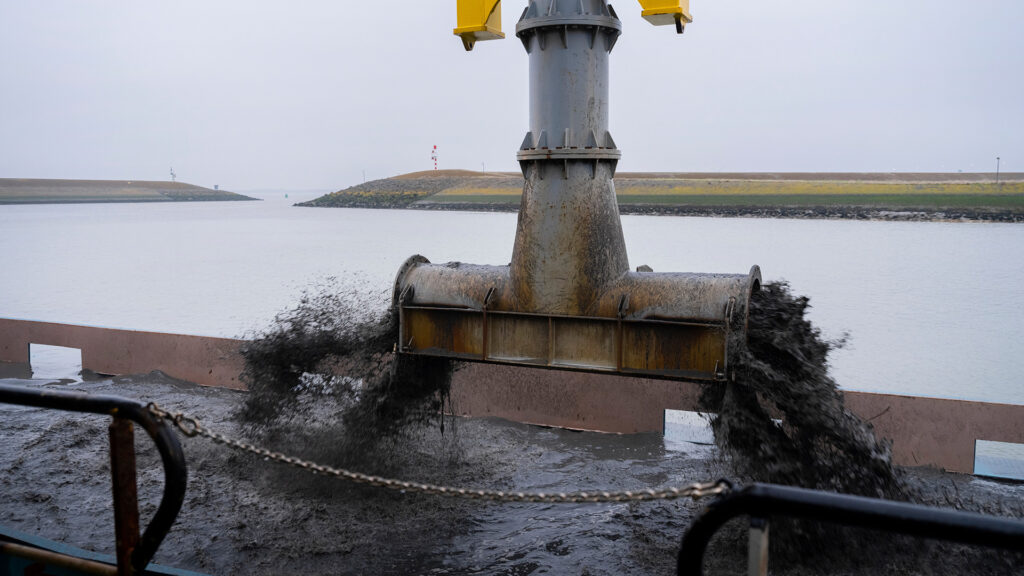
Dredging is the process of removing sediment and debris from the bottom of bodies of water. Whether it is to deepen navigation channels, restore waterfront property, or maintain flood control infrastructure, dredging supports economic and environmental goals.
However, sediment on riverbeds, harbors, and marine waterways is not just soil. It can contain a range of materials, including nutrients, metals, organic compounds, and industrial residues. Without proper sediment testing for dredging, these materials may pose risks during removal, transport, or disposal.
Environmental Protection
Before any dredging equipment enters a waterway, project planners must identify the sediment characteristics. Many contaminants become more concentrated over time due to stormwater runoff, industrial activity, and upstream land use. These contaminants can harm aquatic life, disrupt ecosystems, and affect water quality.
Community Health
Sediment contaminants also pose a risk to people. When disturbed during dredging, pollutants may re-enter the water column, potentially impacting drinking water intakes, recreational areas, and shellfish harvesting zones. Rigorous contaminant assessment: Virginia protects not just fish and wildlife but also people who rely on safe, clean water.
Project Cost and Schedule
Without early sediment testing, projects can face costly delays. Handling contaminated sediment requires special transport, treatment, or disposal procedures. Identifying these requirements early through sediment testing helps keep projects on time and within budget.
Regulatory Framework for Dredging in Virginia
Dredging projects in Virginia are governed by a web of federal, state, and local regulations, all designed to protect human health and the environment.
Federal Regulations
At the federal level, dredging projects often involve oversight from the U.S Army Corps of Engineers and the Environmental Protection Agency. These agencies enforce laws such as the Clean Water Act, which requires permits for dredging and discharge activities.
To comply with federal guidelines, detailed sediment testing for dredging must be conducted to assess the potential for pollution and ecological harm.
State Regulations
In Virginia, the Department of Environmental Quality (DEQ), the Marine Resources Commission (VMRC), and other state agencies review dredging proposals, sediment testing results, and disposal plans. These agencies require a thorough contaminant assessment of Virginia as part of the permitting process.
The goal of Virginia waterways dredging compliance is to ensure waterways remain safe, productive, and environmentally sound. Permits will not be issued without adequate documentation demonstrating that sediment quality is well understood and managed.

Local Considerations
Local jurisdictions along the James River, Rappahannock River, and Elizabeth River may also have specific guidelines for dredging projects. These can include stormwater control measures, limits on in-water work windows, and additional environmental safeguards.
Ensuring compliance with Virginia waterway dredging requirements means understanding and meeting requirements at the federal, state, and local levels.
The Science Behind Sediment Testing
Sediment testing is a scientific analysis of materials from the bottom of rivers, bays, and harbors. Samples are collected in the field and sent to certified laboratories where specialists analyze the physical and chemical characteristics.
What Is Tested?
Laboratories look for a wide range of substances that might indicate contamination or environmental risk. These typically include:
- Heavy metals like lead, mercury, and cadmium
- Organic compounds such as PCBs and pesticides
- Nutrients such as nitrogen and phosphorus
- Grain size distribution and organic content
Accurate sediment testing for dredging requires proper field techniques, representative sampling, and laboratory methods that meet regulatory standards.
Sampling Methods
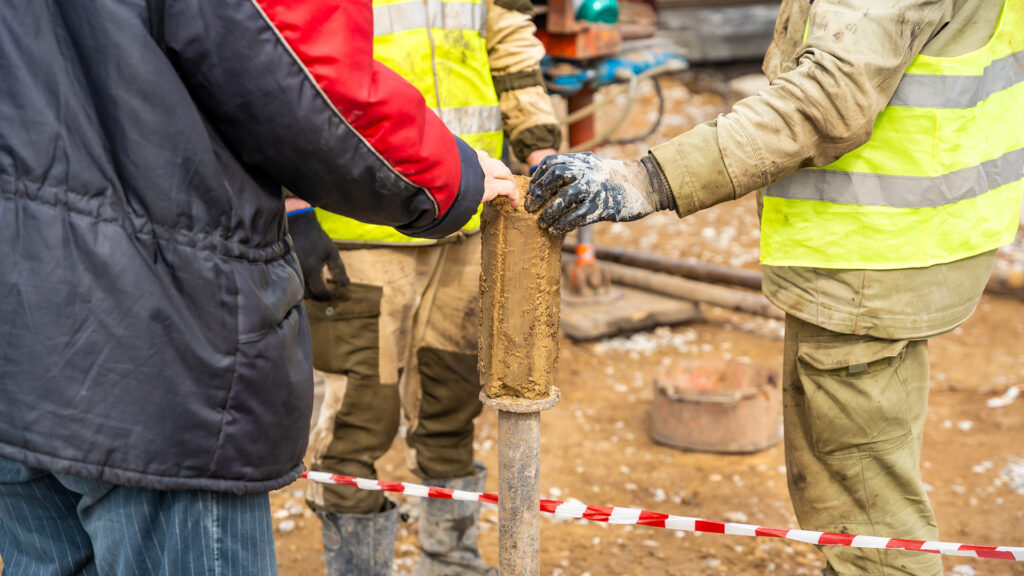
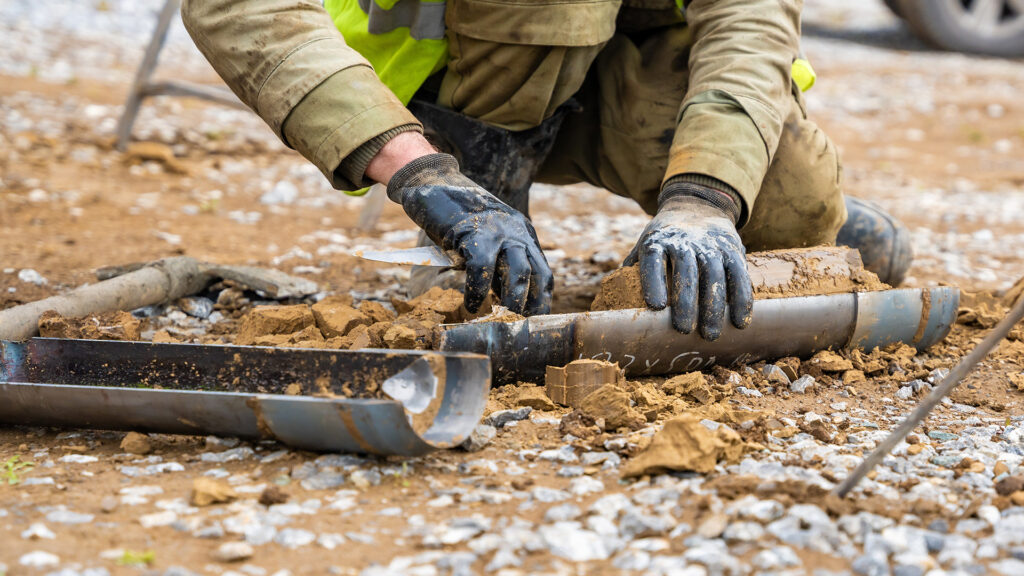
Sediment sampling is not a casual collection of mud. It is a structured process that follows scientific protocols to ensure data validity. Tools such as core samplers and grab samplers are used to collect material from specific depths and locations.
The number of samples depends on the project area size, the waterway’s historical use, and expected contaminant levels. Agencies often require grid sampling or stratified approaches to get a representative picture of sediment conditions.
Laboratory Analysis
Certified laboratories use analytical chemistry techniques to identify and quantify contaminants. These results become the basis for contaminant assessment in Virginia and help planners determine appropriate dredging methods and disposal strategies.
Contaminant Assessment Virginia Explained
A contaminant assessment in Virginia is more than just a list of chemicals. It is a comprehensive evaluation that informs decision-making for dredging projects.
Risk Evaluation
Once sediment testing data is available, environmental experts evaluate risks. This evaluation considers:
- Potential for contaminants to become bioavailable
- Proximity to sensitive habitats or water intakes
- Regulatory thresholds for safe handling and disposal
High contaminant levels may trigger additional testing, alternative work methods, or specialized disposal plans.
Disposal Planning
Contaminated sediments cannot be disposed of like clean fill. Options may include:
- Confined disposal facilities
- Hazardous waste landfills
- Beneficial reuse under controlled conditions
Accurate contaminant assessment in Virginia helps ensure that sediments are not inadvertently placed where they could cause harm.
Community and Stakeholder Engagement
In many cases, dredging projects affect local communities. The public may have concerns about dredging near marinas, beaches, or residential areas. A thorough contaminant assessment in Virginia allows project teams to communicate transparently with stakeholders about risks and mitigation measures.
Best Practices in Sediment Testing for Dredging
As a leader in the dredging industry, Virginia Dredging adheres to best practices aligned with regulatory requirements and environmental ethics.
Early and Comprehensive Testing
Sediment testing must begin in the planning phase. Early testing allows sufficient time to analyze results, engage regulatory agencies, and adjust project designs as needed.
By conducting sediment testing early in dredging, Virginia Dredging avoids costly delays and ensures projects proceed smoothly.
Use of Advanced Techniques
Modern sediment testing uses advanced laboratory methods and quality-control protocols. These include:
- Gas chromatography for organic compounds
- Inductively coupled plasma mass spectrometry for metals
- Data validation protocols to ensure accuracy
These methods make contaminant assessment in Virginia more reliable and defensible.
Collaboration with Regulators
The best dredging projects involve regulators as partners. By collaborating with the DEQ, VMRC, and the U.S. Army Corps of Engineers, Virginia Dredging ensures that sediment data meets all requirements for compliance with Virginia waterway dredging regulations.
Health and Safety Protocols
Sediment testing and handling must protect workers. Proper personal protective equipment, sampling procedures, and laboratory practices are critical.
Virginia Dredging’s teams are trained in safety and environmental protocols, ensuring every project adheres to best practices for people and the environment.
Documentation and Transparency
All sediment testing data, analyses, and assessments are documented thoroughly. These records are essential for permitting, public engagement, and future reference.
Virginia Dredging’s commitment to documentation supports a transparent approach that builds trust with regulators and communities.
Case Studies and Local Insight
To fully understand the importance of sediment testing for dredging and compliance with Virginia waterways regulations, it helps to look at real-world examples.
- Chesapeake Bay Channel Maintenance
The Chesapeake Bay is one of the most ecologically and economically significant waterways in Virginia. Maintaining navigational channels requires periodic dredging to support commercial shipping and recreational boating.
In this region, sediment testing identified elevated levels of legacy contaminants, including PCBs. Virginia Dredging worked closely with state agencies to design a disposal plan that involved confined aquatic disposal cells. The contaminant assessment in Virginia informed every step of the process and ensured environmental protection.
- Elizabeth River Redevelopment
The Elizabeth River has a long history of industrial use. Sediment testing for dredging in this area revealed complex contamination patterns. Through detailed analysis and phased dredging plans, Virginia Dredging executed a project that balanced environmental recovery with economic redevelopment of nearby waterfronts.
This project exemplifies how compliance with Virginia waterways dredging regulations can drive positive outcomes for communities.
- Comparison with a New Jersey Waterway Project
Across the bay, in New Jersey’s Hackensack River, dredging projects have also required extensive sediment testing due to industrial contamination. While both Virginia and New Jersey face similar challenges, Virginia Dredging’s long history with local ecosystems gives us an edge in anticipating regulatory expectations, community concerns, and environmental sensitivities.
Our familiarity with Virginia’s waterways allows us to tailor sediment testing for dredging protocols to local conditions more effectively than out-of-state firms unfamiliar with specific local habitats or permitting pathways.
Why Virginia Dredging Excels in Sediment Testing and Compliance
When it comes to sediment testing for dredging and compliance with Virginia waterways dredging regulations, not all companies perform at the same level. Virginia Dredging stands out for several reasons.
- In-Depth Local Knowledge
We understand Virginia’s waterway conditions, historical land use, and regulatory landscape. Our expertise enables us to anticipate challenges and design testing programs that satisfy regulators and protect the environment.
- Strong Regulatory Relationships
Virginia Dredging has years of working relationships with DEQ, VMRC, and federal agencies. These connections ensure that sediment testing data is well understood and that permitting processes proceed efficiently.
- Technical Excellence
Our teams use industry-leading sampling strategies and laboratory partners with certified analytical methods. This expertise ensures that contaminant assessment in Virginia is accurate, defensible, and aligned with project goals.
- Commitment to Sustainability
We approach every dredging project with a commitment to minimizing environmental impact. Whether through beneficial reuse of clean sediment or safe disposal of contaminated material, sustainability is a core principle.
- Community Engagement
We value transparent communication with local stakeholders. At Virginia Dredging, community partnerships help ensure that dredging projects benefit everyone. We provide clear explanations of sediment testing results and how they shape project design and environmental protection measures.
- Proven Success
Our track record across Virginia waterways demonstrates our ability to manage complex dredging challenges while maintaining compliance with Virginia waterways dredging regulations. From small marina projects to large navigational channel dredging, Virginia Dredging delivers consistent, reliable results.
Conclusion
In Virginia, the health of our waterways affects commerce, communities, and the environment. Sediment testing for dredging is a fundamental step in responsible dredging that informs every aspect of project planning, execution, and compliance.
A thorough contaminant assessment in Virginia helps us understand the risks posed by sediment and manage them through science-based approaches. Meeting Virginia waterways dredging compliance is not just about satisfying regulators. It is about protecting our waters, supporting sustainable development, and honoring our commitment to future generations.
From the Chesapeake Bay to the James River, Virginia’s waterways form the lifeblood of the region. Trusting your dredging needs to a company with deep local expertise, transparent processes, and a core commitment to environmental stewardship makes all the difference.
Virginia Dredging excels in sediment testing, contaminant assessment, and compliance by combining technical expertise with local knowledge and a clear focus on environmental responsibility. When you choose Virginia Dredging, you choose a partner that understands the complexities of Virginia’s waterways and delivers results that communities can trust.If you are planning a dredging project in Virginia, start with comprehensive sediment testing for dredging and partner with a team that understands what it takes to achieve sustainable success. Contact Virginia Dredging today to learn how we can help ensure your project meets environmental and regulatory expectations while protecting the waterways that define our Commonwealth.